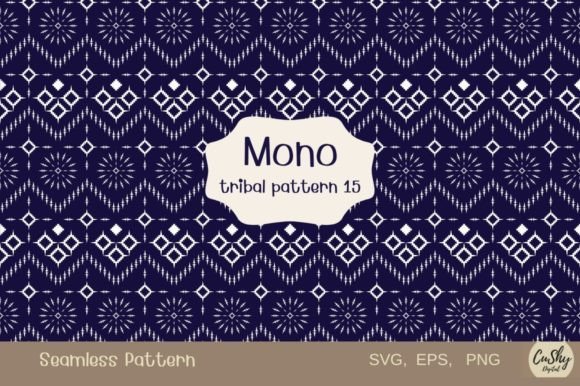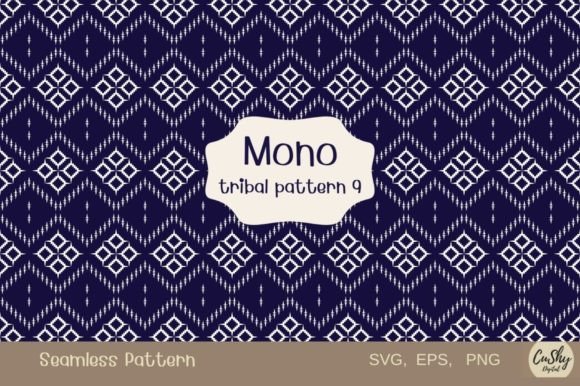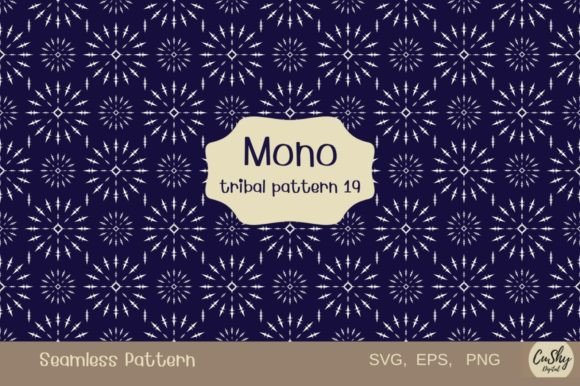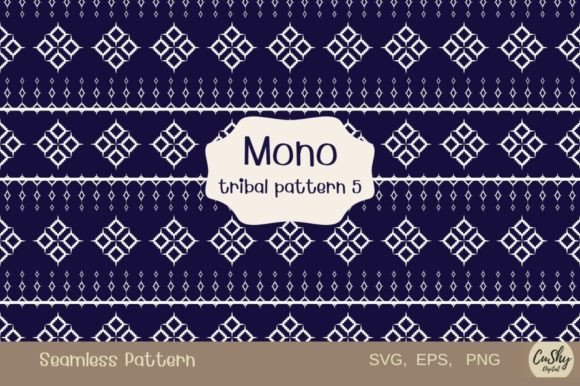
Reviewing Mono Tribal Pattern7 for Real Embroidery
As a designer who has spent years translating digital files into tangible thread on fabric, I approach every new machine embroidery design with a mix of curiosity and skepticism. The market is flooded with generic assets, so finding a piece that truly works in a commercial setting requires a critical eye. Recently, I examined Mono Tribal Pattern7, a seamless decorative pattern described as a Native-inspired background image. My goal was not just to look at the preview, but to visualize how this Graphics asset would behave under a needle, on real fabric, and in the hands of a customer.
First Impressions: Mood and Visual Personality
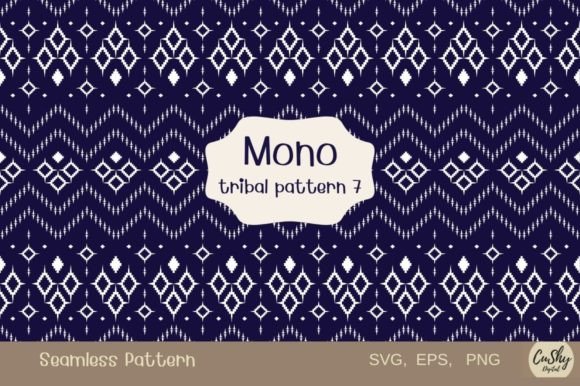
At first glance, Mono Tribal Pattern7 exudes a raw, earthy confidence. The monochromatic nature of the design suggests it is built for bold statements rather than delicate, pastel accents. The tribal motifs create a rhythmic flow that feels organic yet structured, which is exactly what you want in a seamless repeat. It doesn't scream "modern tech"; instead, it whispers "handcrafted heritage." This mood makes it immediately suitable for projects aiming for a rustic, bohemian, or culturally rich aesthetic.
The layout is dense enough to cover ground effectively without feeling cluttered. For an embroidery file intended as a background, this balance is crucial. If the negative space is too large, the fabric shows through in a way that can look unfinished. If it is too tight, the stitch count balloons, and the fabric puckers. Mono Tribal Pattern7 seems to hit a sweet spot where the visual weight is distributed evenly, promising a cohesive look when stitched across a larger area.
A Real-World Scenario: The Custom Tote Bag Project
To truly test the viability of this design, I imagined a specific project: creating a line of custom canvas tote bags for a local boutique. These bags need to be durable, stylish, and capable of withstanding frequent washing. In this scenario, Mono Tribal Pattern7 becomes the star of the show. Instead of a small logo on the corner, I envision using this seamless pattern to create a wide band across the center of the bag or even covering the entire front panel.
When stitching a large area like a tote bag, the choice of fill stitch versus satin stitch becomes critical. Given the tribal geometry, a combination of both would likely yield the best results. The straight lines of the tribal elements could be defined with crisp satin stitches, while the filled areas would use a textured fill stitch to add depth. The monochrome aspect allows for creative thread colors. Imagine a deep charcoal gray thread on a natural beige canvas, or a stark white on a black denim bag. The contrast would pop, making the finished product stand out on a retail shelf or in an Etsy listing.
Customers buying these items are often looking for something unique—a personalized gift or a statement piece for their daily commute. The intricate details of Mono Tribal Pattern7 suggest a high level of craftsmanship. When a buyer runs their fingers over the texture of the embroidery, they feel the quality. This tactile experience builds trust and increases the perceived value of the item, allowing a small business owner to charge a premium price.
Navigating Challenges: Where Caution Is Needed
While the potential is high, experienced designers know that no digital embroidery file is perfect for every situation. There are specific contexts where Mono Tribal Pattern7 requires careful handling. First, consider the hoop size. Because this is a seamless pattern designed to repeat, attempting to stitch it in a very small hoop might cut off key parts of the motif, ruining the flow. You would need to ensure your machine can handle a larger frame or plan the placement meticulously to maintain the pattern's integrity.
Fabric choice is another major factor. On thin or highly stretchy fabrics, the density of a tribal pattern can cause significant puckering. If you plan to use this for baby embroidery on soft cotton onesies, you must test the stitch density first. A heavy fill might make the fabric stiff and uncomfortable against a baby's skin. Similarly, on dark fabrics, a single color thread might not provide enough coverage if the underlying material shows through. You may need to adjust the underlay settings or choose a brighter thread color to ensure the design remains visible and vibrant.
Curved surfaces present another challenge. While flat panels work beautifully, applying this complex pattern to a cap or a sleeve cuff can distort the geometry. The curves of a hat might stretch the tribal lines, making them look uneven. In such cases, it is better to use the pattern as a smaller accent patch rather than a full wrap-around design. Always remember to check the stabilizer requirements; a heavy-duty tear-away or cut-away stabilizer will be essential to support the weight of the thread and keep the design flat.
Practical Notes for Designers and Sellers
If you are considering Mono Tribal Pattern7 for your craft business, here are my practical recommendations based on professional experience:
- Test on Scrap Fabric: Never skip this step. Stitch a sample on the exact fabric you plan to use. Check for puckering, thread breaks, and overall clarity.
- Verify Licensing: Before selling any finished product or using the design for commercial embroidery, confirm the licensing terms. Ensure you have the right to sell items made with this pattern, especially if you are producing them for a boutique or online shop.
- Check Color Contrast: Since this is a mono design, the magic lies in the contrast between the thread and the fabric. Test different combinations to find the most striking effect.
- Inspect Small Details: Zoom in on the Graphics file to see if there are tiny gaps or overlapping lines that could cause issues during stitching. Clean up the file if necessary before sending it to the machine.
- Create Mockups: Use printable mockups to visualize how the pattern looks on various products like aprons, pillow covers, and sweatshirts. This helps in marketing your items effectively.
Final Verdict: A Versatile Asset for the Modern Maker
In conclusion, Mono Tribal Pattern7 is a strong contender for designers looking to add a touch of cultural depth and artistic flair to their projects. Its seamless nature makes it incredibly versatile for backgrounds, borders, and all-over prints. Whether you are creating holiday gifts, wedding favors, or merchandise for your own brand, this pattern offers a professional look that elevates the final product.
However, its success depends on your technical execution. By respecting the limitations of your equipment, choosing the right materials, and testing thoroughly, you can turn this machine embroidery design into a standout feature of your portfolio. For the Etsy seller or the small shop product creator, investing time in understanding how this pattern behaves will pay off in customer satisfaction and sales. It is not just a file; it is a tool for storytelling through thread, waiting to be brought to life by skilled hands.