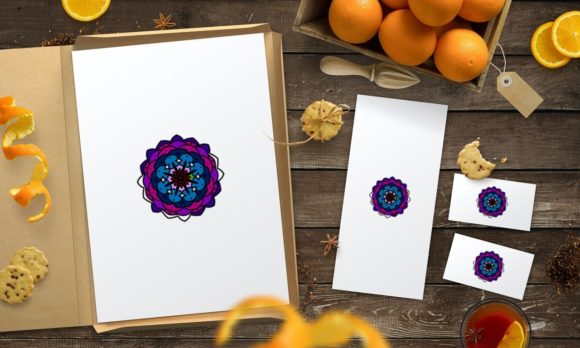
Mandala Invitation Decorative Art: Graphics & Patterns
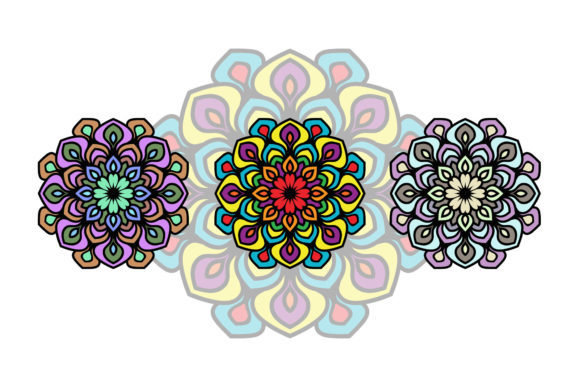
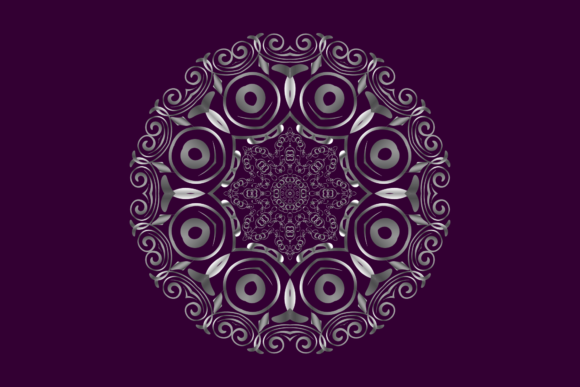
As a digital publisher who has spent years refining the visual language of content websites, I know that the first thing a reader sees is not your headline, but your image. The Mandala Invitation Decorative Art asset immediately captures attention with its intricate symmetry and balanced composition. In the world of editorial design, this specific graphic design asset creates an immediate sense of calm, structure, and intentionality. It does not feel chaotic or overly playful; rather, it projects a mood that is artistic, feminine, and deeply inviting. For bloggers in niches such as wellness, lifestyle, spirituality, or creative entrepreneurship, this pattern serves as a powerful anchor for brand identity.
When I first reviewed the file specifications, the practicality stood out. The canvas size of 1920px by 1280px is the industry standard for high-quality web headers and featured images. This resolution ensures that whether the image is displayed on a large desktop monitor or shrunk down for a social media preview, the details remain crisp. Unlike low-resolution stock photos that blur when scaled, this vector-style approach within a raster format maintains clarity. Receiving six different format files means you are not locked into a single workflow. You can use the PNG for transparency over text, the JPG for fast loading on galleries, or the source file for further editing in tools like Canva or Photoshop.
Elevating Editorial Layouts with Intricate Design
The true value of Mandala Invitation Decorative Art lies in its ability to transform a standard blog post into a premium editorial experience. In my publishing workflow, I often struggle with creating unique category thumbnails that stand out from the sea of generic stock photography. This mandala pattern solves that problem instantly. When used as a background for category pages or section dividers, it adds a layer of sophistication that suggests the content behind it is curated and valuable.
For content creators focusing on visual hierarchy, this asset acts as a perfect frame. Imagine placing a bold, sans-serif headline over the center of the mandala. The radial symmetry draws the eye inward, naturally guiding the reader to your call-to-action or article title. This is particularly effective for Pinterest pins and social media graphics where competition for attention is fierce. A pin featuring this decorative art signals quality before the user even reads the copy. It tells the audience that the linked content is a polished digital product or a well-researched guide, increasing the likelihood of a click-through.
Strategic Applications for Digital Publishers
In real-world publishing scenarios, versatility is key. Here is how I integrate this type of graphic into a comprehensive content strategy:
- Blog Featured Images: Use the mandala as a subtle watermark behind text overlays to create unique thumbnails for every post without needing new photography for each one.
- Newsletter Banners: Apply the design to the header of your weekly email digest to reinforce brand recognition and make the newsletter feel like a special invitation.
- Lead Magnets and Digital Guides: Incorporate the pattern into the covers of your downloadable PDFs, worksheets, or eBooks. A professional-looking cover increases perceived value, making visitors more likely to exchange their email address for the resource.
- Affiliate Marketing Visuals: When promoting products related to home decor, yoga, or self-care, use this art to create custom banners that align with the aesthetic of the affiliate offer while maintaining your own site's style.
- Canva Templates: Upload the file to your design tool to build a library of reusable templates for Instagram stories, YouTube thumbnails, and event invitations.
Optimizing for Reader Trust and Brand Consistency
One of the biggest challenges for small business owners and independent designers is establishing trust. A website that looks amateurish often leads to high bounce rates. By utilizing high-quality design assets like Mandala Invitation Decorative Art, you signal professionalism. Readers subconsciously associate clean, intentional design with reliable information. This is especially critical for online educators and coaches selling courses or consulting services. Your visual presentation must match the quality of your advice.
This specific pattern supports a strong brand identity because it is distinct yet adaptable. Unlike a photo of a person which might date quickly or feel too personal for some contexts, a geometric mandala remains timeless. It works beautifully with serif fonts for a classic, literary feel, or with modern script fonts for a trendy, lifestyle vibe. However, it requires careful pairing. I recommend testing the asset against various font styles to ensure readability. The intricate lines of the mandala should never compete with your text; instead, they should provide a textured backdrop that makes the typography pop.
Practical Publisher Notes and Technical Considerations
Before committing to this asset for your entire site, there are several technical checks you must perform. First, always test the image on both desktop and mobile screens. While the 1920px width is excellent for large displays, ensure the detail does not become muddy on smaller devices. If the pattern becomes too dense on mobile, consider using a cropped version or adjusting the opacity to let the text breathe.
Secondly, pay close attention to contrast. If you plan to place white text over the lighter parts of the mandala, you may need to add a semi-transparent overlay or a shadow effect to maintain legibility. Accessibility is non-negotiable in modern web design. Always check how the image appears in black and white mode, as some users rely on high-contrast settings. If the design loses its definition without color, it may not be suitable for all contexts.
Finally, review the file size. High-resolution images can slow down page load speeds, which negatively impacts SEO. Compress the images properly using tools like TinyPNG or ShortPixel before uploading them to your CMS. Ensure you have the correct commercial license if you intend to use these graphics on monetized websites, affiliate pages, or paid digital products. Using assets without proper licensing can lead to legal issues and damage your reputation as a creator.
Where to Use With Caution
While Mandala Invitation Decorative Art is versatile, it is not a universal solution. Avoid using it in contexts that demand extreme minimalism or stark corporate professionalism. If your niche is heavy finance, legal services, or hard-tech, the decorative nature of a mandala might feel out of place. Similarly, avoid using it as a background for text-heavy blog posts where the complexity of the pattern could distract from the reading experience. In those cases, reserve the asset for headers, footers, or standalone promotional graphics where it can shine without competing for attention.
Ultimately, this graphic design asset is a powerful tool for any content creator looking to elevate their visual game. Whether you are building a portfolio, launching a digital product, or simply trying to make your blog look more cohesive, the right patterns and graphics can make all the difference. By integrating Mandala Invitation Decorative Art thoughtfully into your workflow, you create a visual environment that invites readers to stay longer, engage deeper, and trust your brand.