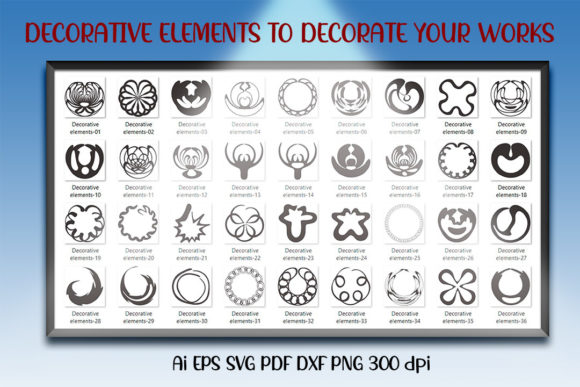
36 Decorative Elements Graphics Review
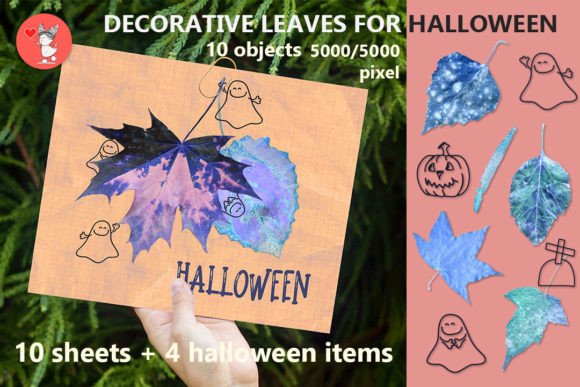
As a brand designer who has spent years curating visual identities for small businesses and digital creators, I know that the difference between a campaign that converts and one that gets scrolled past often comes down to the details. When I first opened the 36 DECORATIVE ELEMENTS to DECORATE bundle, my immediate reaction was not just about the aesthetic appeal, but about the potential for visual storytelling. In the crowded landscape of social media graphics and digital marketing, finding a graphic design asset that adds character without creating visual noise is a rare find. This collection immediately struck me as a versatile tool capable of bridging the gap between raw creativity and polished professional branding.
The First Impression: Mood and Brand Personality
The initial viewing of these decorative elements reveals a mood that is both inviting and structured. Unlike many clipart collections that feel dated or overly cartoonish, this set offers a modern design sensibility suitable for a wide range of applications. Whether you are building a brand identity for a handmade product line or refreshing your lifestyle content blog, the emotional tone here feels approachable yet sophisticated. It suggests a brand that cares about detail and values creativity.
For a marketer, the first impression is critical. These graphics do not scream for attention in a chaotic way; instead, they whisper elegance. They create a sense of warmth that can significantly influence audience perception. If your goal is to build trust with a community that values authenticity, these assets provide the perfect backdrop. They work exceptionally well for casual branding, event promotions, and editorial graphics where a touch of whimsy is required to break up heavy text blocks. The versatility allows them to fit seamlessly into premium visuals or more relaxed, handmade aesthetics depending on how you style them.
Integrating Into Real Marketing Workflows
To truly understand the value of 36 DECORATIVE ELEMENTS to DECORATE, let's look at a real-world scenario. Imagine a small business owner launching a new seasonal product line. They need to create a cohesive content kit that includes Instagram posts, Pinterest pins, email banners, and even packaging inserts. Without a unified visual language, these materials can look disjointed, confusing the customer and diluting the brand message.
This is where the design bundle shines. You can digitally use these decorative elements for your projects or for printing, making them a dual-purpose asset for both online and offline marketing. For the social media graphics, these elements can frame key messages, guide the eye toward the call-to-action, and add depth to flat designs. On the physical side, using them to decorate postcards, stickers, signs, and t-shirts ensures that the unboxing experience matches the digital promise. Anything that your imagination touches becomes an opportunity for brand reinforcement. From designing product labels to creating unique wall art for a pop-up shop, the application is limitless.
Enhancing Visual Hierarchy and Audience Trust
One of the most common mistakes in content marketing is poor visual hierarchy. When every element fights for attention, the main message gets lost. These decorative elements act as excellent navigational tools. By placing them strategically around headlines or key benefits, you can lead the viewer's eye through the content naturally. This clarity improves readability and makes the information easier to digest, which directly correlates to better engagement rates.
Furthermore, consistent use of high-quality design assets builds audience trust. When a brand presents itself with professional branding across all touchpoints—from Facebook ads to Canva templates—it signals reliability. Using a curated set like this ensures that your visual identity remains consistent. Whether you are designing a logo design accent, a hero graphic for a landing page, or a media kit for sponsors, the cohesive look tells your audience that you are a serious player in your industry. This consistency strengthens recognition and fosters a deeper emotional connection with your customers.
Strategic Applications Across Platforms
The utility of this graphic design asset extends far beyond simple decoration. Here is how it performs in specific marketing situations:
- Social Media Graphics: Use these elements to create eye-catching Instagram stories and Pinterest pins that stand out in a saturated feed. They add texture and interest without overwhelming the image.
- Packaging Design: Incorporate them into product labels and packaging accents to elevate the perceived value of your goods. A well-designed box can turn a customer into a loyal advocate.
- Digital Ads: In digital ads, these elements can help frame the offer, drawing attention to discounts or new launches while maintaining a clean layout.
- Editorial Design: For bloggers and publishers, these assets enhance blog graphics and website headers, breaking up long-form content and keeping readers engaged.
- Merchandise and Print: Create custom merchandise like tote bags, mugs, and posters. The ability to print these designs means your brand can exist in the physical world with the same quality as your digital presence.
When to Exercise Caution
While 36 DECORATIVE ELEMENTS to DECORATE is incredibly versatile, it is not a one-size-fits-all solution. As a designer, I always advise clients to consider the context. These assets should be used carefully in formal corporate branding where a stark, minimalist approach is preferred. In dense information layouts or text-heavy ads, too many decorative flourishes can compete with the main message, reducing readability.
Additionally, be mindful of low-contrast backgrounds. If the background color is too similar to the element, the design may get lost. Similarly, for small mobile graphics, ensure the details remain visible when scaled down. Overly minimal brands might find these elements too busy if not balanced correctly with ample white space. The key is restraint; let the elements support the message, not overshadow it.
Practical Designer Notes for Implementation
Before integrating any new creative design into your workflow, follow these practical steps to ensure success:
- Test Color Palettes: Always test the SVG design or PNG design against your specific brand color palette. Ensure the colors harmonize rather than clash.
- Check Monochrome Usage: Verify how the elements look in black and white. This is crucial for printed materials like flyers or newspaper ads where color separation might be an issue.
- Mockup Placement: Place the assets inside real campaign mockups. See how they look on a phone screen versus a large billboard. Previewing on mobile screens is essential since most traffic comes from mobile devices.
- Font Pairing: Experiment with different typography. Check how the elements pair with serif font, sans serif font, script font, handwritten font, and display font styles. The right combination can transform a good design into a great one.
- Licensing Verification: Confirm commercial licensing before using it in paid campaigns, client work, or business branding. Ensure you have the rights to use these assets for profit-generating activities.
- Competitor Analysis: Compare your final designs against competitor visuals. Ensure your use of these elements gives you a unique edge rather than blending in.
In conclusion, 36 DECORATIVE ELEMENTS to DECORATE is a robust addition to any creative marketplace toolkit. It empowers designers, marketers, and entrepreneurs to create compelling visuals that resonate with their audience. By focusing on visual consistency and strategic placement, you can leverage these graphics to build a stronger brand identity and drive meaningful results in your next campaign.